Radka Typeface: Elegant Serif Fonts for Digital Branding
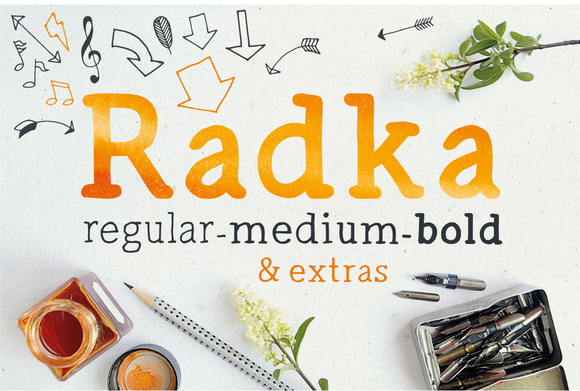
Radka is a tidy and elegant typeface that brings a distinct, hand-lettered character to modern web design projects. As a serif font family with special extras, it offers designers a unique tool to elevate digital interfaces beyond standard system fonts. When you are looking for something pleasant that gives your work an illustrative feel, Radka provides the perfect balance of structure and organic charm. This typeface is not just a collection of characters; it is a visual asset designed to enhance readability while maintaining a sophisticated aesthetic in both hero sections and body copy.
Why Radka Serif Fonts Enhance Visual Hierarchy on Landing Pages
In the realm of web design, establishing clear visual hierarchy is crucial for guiding user attention and improving conversion rates. Radka excels in this area because its hand-lettered nature creates immediate interest without sacrificing legibility. The "tidy" aspect of the font ensures that even with its decorative qualities, the text remains structured and easy to scan. For UI designers working on landing pages, using Radka for headlines or section titles can create a strong focal point. The slight irregularities in the letterforms add a human touch that generic sans-serif fonts often lack, making branded content feel more authentic and trustworthy.
The serif details in Radka provide subtle cues that help users navigate through long-form content. Unlike display-only fonts that become unreadable at smaller sizes, Radka’s design allows it to function effectively across various scales. This versatility means you can use it for large hero banners and then transition smoothly into supporting typography. By leveraging the font’s natural rhythm, designers can create layouts that feel curated rather than templated. This approach is particularly effective for creative portfolios, boutique online stores, and editorial-style blogs where brand personality is paramount.
Using Radka for Creative Portfolio and Agency Websites
Creative professionals need typography that reflects their artistic sensibility. Radka serves as an excellent choice for portfolio sites because it bridges the gap between traditional print aesthetics and digital clarity. The font’s illustrative feel complements visual-heavy layouts, allowing images and graphics to shine while the text provides context. Web designers can utilize Radka for project titles, case study headers, and introductory paragraphs. The serif characteristics add a layer of professionalism that appeals to high-end clients who value attention to detail. Furthermore, the hand-lettered quality suggests craftsmanship, reinforcing the message that the designer or agency puts care into every pixel.
When implementing Radka in a portfolio, consider pairing it with a clean, neutral sans-serif font for body text. This combination creates a dynamic contrast that keeps the interface from feeling too ornate. The serif font handles the emotional weight of the headings, while the sans-serif ensures that lengthy descriptions remain accessible. This strategy supports good UX practices by maintaining readability standards across different devices. Whether you are showcasing photography, graphic design, or web development projects, Radka helps establish a cohesive visual identity that resonates with visitors.
Radka for E-Commerce Banners and Product Presentation
Online store owners know that product presentation drives sales, and typography plays a significant role in how products are perceived. Radka’s elegant serif style adds a premium feel to e-commerce banners and product cards. When used for promotional text, such as limited-time offers or new arrivals, the font conveys exclusivity and quality. The hand-lettered extras within the font family allow for creative variations in button labels or sale tags, adding visual variety without breaking the design system. This level of customization helps brands stand out in crowded marketplaces like Shopify or WooCommerce.
Readability on mobile screens is critical for e-commerce success. Radka’s tidy construction ensures that key information, such as price points and product names, remains clear even on smaller devices. Designers should test the font at various sizes to ensure optimal performance. Using Radka for short phrases and call-to-action elements can increase click-through rates by drawing the eye naturally toward conversion points. The font’s pleasant appearance reduces cognitive load, making the shopping experience feel more enjoyable and less transactional. This subtle psychological boost can lead to higher engagement and better customer retention.
Integrating Radka into Digital Marketing Campaigns
Digital marketers often struggle to maintain brand consistency across multiple channels. Radka offers a versatile solution for social media graphics, email newsletters, and digital ads. The font’s serif base ensures compatibility with traditional branding guidelines, while its hand-lettered quirks inject energy into static designs. Marketers can use Radka for headline text in ad creatives to capture attention quickly in busy feeds. The font’s ability to convey an illustrative feel makes it suitable for lifestyle brands, wellness companies, and artisanal product lines.
For email marketing, Radka can be used sparingly to highlight key messages or section dividers. Since email clients have varying support for custom fonts, it is essential to embed the webfont correctly or provide fallback options. However, when rendered properly, Radka enhances the perceived value of the email content. It signals that the sender invests in quality design, which builds trust with subscribers. By incorporating Radka into your digital assets, you create a unified brand voice that feels both professional and approachable.
Technical Considerations for Implementing Radka in Web Projects
Before integrating Radka into your web projects, it is important to understand its technical specifications. As a serif font family, Radka likely includes multiple weights and styles that cater to different typographic needs. Designers should check the included file formats to ensure compatibility with CSS @font-face rules. Modern web design requires optimized font files to minimize load times, so look for WOFF2 formats if available. Additionally, verify whether the font supports the necessary character sets for your target audience, including multilingual support if you serve international clients.
Font pairing is another critical consideration. While Radka is a standout display font, it works best when balanced with simpler typefaces. A geometric sans-serif or a neutral humanist sans-serif can complement Radka’s organic shapes without competing for attention. This pairing strategy helps maintain a clean layout hierarchy, ensuring that the hand-lettered elegance of Radka does not overwhelm the user interface. Test these combinations across different screen sizes to ensure responsive behavior. Proper implementation involves setting appropriate line heights, letter spacing, and color contrasts to maximize readability.
Licensing and Commercial Use for Digital Products
Understanding licensing terms is essential for any designer using Radka in client work or commercial products. Most premium fonts require specific licenses for web usage, app embedding, and print materials. Ensure that your license covers all intended uses, such as landing pages, online stores, and digital templates. Clear communication about font usage protects both the designer and the client from legal issues. By choosing Radka, you are investing in a high-quality typeface that enhances your design capabilities while adhering to professional standards. Always review the end-user license agreement (EULA) to confirm permissions for modifying the font or distributing it within software packages.
Conclusion on Radka’s Impact on Modern Web Design
Radka represents a thoughtful addition to the world of serif fonts, offering web designers a tool that blends elegance with functionality. Its hand-lettered character and tidy structure make it suitable for a wide range of digital applications, from creative portfolios to e-commerce platforms. By carefully considering visual hierarchy, readability, and brand tone, designers can leverage Radka to create compelling online experiences. The font’s ability to provide an illustrative feel while maintaining professional standards makes it a valuable asset for any design toolkit. Ultimately, Radka empowers creators to build websites that are not only visually striking but also user-friendly and conversion-focused.