Husty Font: A Versatile Script for Vintage and Modern Branding
I recently found myself staring at a blank brand board, trying to land on the right typeface for a small artisanal bakery project. I needed something that felt handcrafted but still clean enough to work across packaging, digital headers, and business cards. That’s when I pulled up Husty, a Script Handwritten font that immediately caught my eye with its painterly charm and modern adaptability.
Husty in Logo Design and Brand Identity
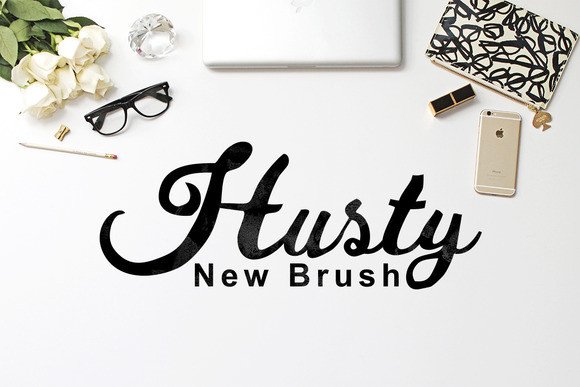
Husty is one of those rare Fonts that brings both warmth and professionalism to the table. Its letter construction feels like it was drawn by an artist with a brush in hand — each stroke has a slight flourish or taper, reminiscent of vintage signage you might see in a boutique window display. When I tested it as a logo font for the bakery, it gave the brand a soft, approachable identity while maintaining visual clarity. The swoops in the letters added a sense of motion and creativity without feeling too whimsical.
What stood out most was how well Husty balanced elegance with practicality. It wasn’t just pretty — it had strong character, making it perfect for brands that want to feel both nostalgic and fresh. For example, using Husty in a logotype for a café name worked beautifully on signage and social media banners alike. It's clear this Script Handwritten font can anchor a brand identity that feels intentional and expressive.
Using Husty in Packaging and Product Labels
One of the first places I tried Husty was on product labels for the bakery’s signature items. I used it for the name of their famous sourdough loaf, and it made the label pop. The embellishments in the letters were subtle enough not to overwhelm the design but bold enough to stand out in a lineup of minimalist packages. This is where many script fonts fall short — they either look too cluttered or too flat. Husty walks the line perfectly, especially when paired with a warm sans serif for body copy.
I also placed Husty on a mockup of a coffee bag and a jar of preserves. In both cases, the font added a touch of craftsmanship, aligning with the handmade ethos of the brand. It’s a great choice if you're designing packaging for products like artisanal foods, stationery, or luxury goods — anything that benefits from a personal, curated look.
Husty for Social Media and Web Headers
When working on social media assets for the bakery, I quickly realized that Husty could easily be adapted for Instagram posts and Facebook ads. Its structure allows for legibility even at smaller sizes, which is a big plus for mobile users. I used it for headlines and call-to-action buttons, and it brought a cohesive, artistic tone to all the visuals. It’s not every Font that reads clearly on screen while still feeling like part of a larger Script Handwritten narrative.
On web design, I tested Husty in the hero section of a homepage. It performed admirably, especially when contrasted with a simple, neutral base font. The key here is ensuring there’s enough spacing and color contrast so the text doesn’t lose its impact. But overall, it helped create a visual hierarchy that drew attention to the brand name and core message without being overwhelming.
Font Pairing Suggestions with Husty
Pairing Husty with other Fonts was surprisingly straightforward. For a more classic vibe, I matched it with a light serif font for supporting text — the combination gave off a refined yet creative energy. If the mood leaned more contemporary, I switched to a modern sans serif. Both pairings worked because Husty has enough structure to coexist with other styles without clashing.
If you're using Script Handwritten fonts in your design system, remember to balance them with simpler options. Husty shines brightest when it's the focal point — whether in a logo, a tagline, or a headline — rather than in long paragraphs or dense layouts.
Limitations and Use Cases to Avoid
Despite its strengths, Husty isn't the best fit for everything. When I tried it in longer blocks of text for a menu layout, it started to feel a bit busy. While it works wonders for short phrases and display settings, it’s not ideal for body copy. Also, avoid using it in overly formal corporate branding — it leans more toward lifestyle, retail, and creative industries.
For projects involving small print, such as invoice templates or fine legal notices, stick to a more readable sans serif. Husty is a premium font designed for impact, not for endurance in tiny text. That said, it’s excellent for branding materials where personality matters — think shop signs, greeting cards, or promotional posters.
Testing Husty Before Client Work
Before committing to Husty in client work, I always test it in real-world scenarios. I start by placing it on a variety of surfaces: a storefront sign, a printed business card, a digital ad, and a website header. Seeing how it behaves in different contexts helps determine if it fits the brand’s voice and vision.
You can also use tools like Typecast or Canva to experiment with Font pairing and sizing. Try layering it with textures or background gradients to mimic real-life environments. This kind of testing ensures that Husty won’t underwhelm in print or become illegible online.
Commercial Use and Licensing Notes
One thing I always double-check before finalizing any Script Handwritten font for commercial use is the licensing. Husty should be reviewed carefully if you’re planning to use it on merchandise, websites, or in print-on-demand systems. Some free script fonts come with hidden restrictions, and you don’t want to get blindsided later by legal issues. Always confirm what’s included in the license — personal vs. commercial, webfont availability, and any limitations on redistribution or embedding.
As a professional designer, I’ve learned the hard way that skipping this step can lead to complications down the line. So if you're considering Husty for your next branding project, make sure the font supports the platforms and usage types you need.
Why Husty Fits Both Vintage and Modern Projects
The beauty of Husty lies in its duality. On one hand, it evokes the charm of hand-painted signs from yesteryear. On the other, it maintains a clean, structured feel that blends seamlessly into modern layouts. This makes it incredibly versatile for designers who want to appeal to a broad audience without compromising on style.
In my experience, clients love the idea of a Font that feels authentic but adaptable. Whether they're launching a retro-inspired fashion label or a sleek new wellness app, Husty offers the right amount of character without veering into cliche. It’s the kind of Script Handwritten font that feels like a natural extension of the brand itself.
Final Thoughts on Husty for Creative Projects
After incorporating Husty into multiple parts of a branding project, from logos to social media graphics, I’m confident it’s a standout option for anyone working with Fonts in the script or handwritten category. It adds a human touch that digital fonts often miss, while still holding up in professional applications. The key is knowing when and how to use it — and trusting your instincts as a designer.
If you're looking for a Script Handwritten font that can elevate your creative work without sacrificing clarity, give Husty a try. You might find it’s exactly the kind of Font your next project needs to stand out in a crowded market.